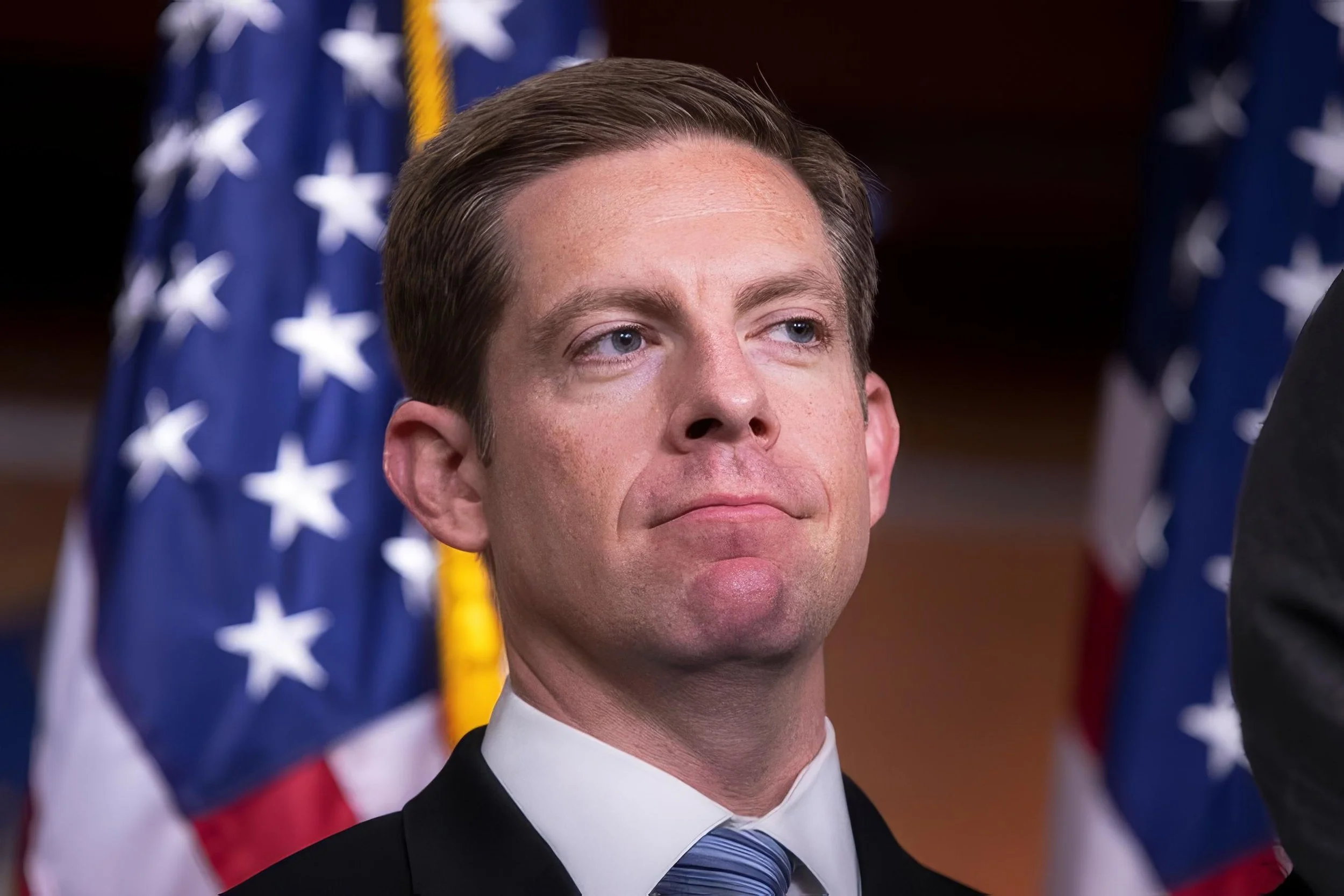
Mike Levin
Democratic IncumbentMike Levin presents as a pro-environment, pragmatic Democrat, but his record also shows centrist compromises, heavy ties to pro-Israel interests, and a willingness to back tougher immigration enforcement and an economy focused on maintaining the status quo. Those tradeoffs matter: they shape whose interests he defends when the pressure’s on.
Can be bought and sold. When your campaign is funded by wealthy special interests and Israel-aligned super PACs like AIPAC (American-Israel PAC) and DMFI (Democratic Majority For Israel), working people don’t come first…your donors do.
An Establishment Democrat that’s more loyal to the party and its donors than his constituents. Acts like a safe, status-quo insider instead of fighting for ordinary Americans.
Prioritizes Israel over Americans. Regularly votes to send billions in taxpayer dollars to the Israeli government while people here can’t afford rent, healthcare, or college. That’s a choice, and it’s not for us.
Backed the Laken Riley Act, stripping due process from our neighbors. He chose to support Trump’s fascist agenda of cruelty and fear over civil liberties, putting all undocumented Americans and their families directly in harm’s way.
Places “bipartisanship” and “civility” ahead of responsibility, even when that means giving the powerful what they want, selling out everyday Americans in the process.
When Trump faced impeachment for unauthorized military action, Levin avoided taking a stand by voting “present”, he later doubled down by voting with Trump loyalists to kill Rep. Green’s new articles of impeachment.
Refuses to use his office to hold corporations accountable. He could force votes and big public hearings to expose price-gouging and abuse, but instead trades fights for district dollars and quiet deals.
Doesn’t support a true living wage. Backs minimal wage increases that don’t keep up with the cost of living, leaving working families unable to get ahead.
His “Pro-Environment” track record that he prides himself on is paperwork and PR, not accountability. Instead of forcing polluters to clean up poisoned water, dirty air, and the lives they’ve irreparably harmed, he does what his party wants: enforce the “climate goals” the party and corporate lobbyists write, letting polluters pretend to be responsible while business carries on as usual. It’s like letting the arsonist write the fire code. This managed inaction — watered-down rules and symbolic gestures disguised as “climate action” — protects fossil-fuel profits, one of the party’s biggest funding sources, while working families pay with their health, their wallets, and even their lives. This isn’t leadership, it’s helping steal the future of generations of Americans and calling it “progress.”
Says banning insider trading should be our top priority, the key to “Clean Up Washington.” Yes, Congress shouldn’t trade stocks. That’s obvious, but even if they all stopped tomorrow — they still wouldn’t be required to sell any of their current holdings — corporations would still write the laws, fund the campaigns, and shape the economy. Treating corruption as a moral failing hides the real problem: a system built to serve profits, not people. Stock trading is a symptom, not the disease. We need a government that prioritizes us, not corporations and the rich.